

Indoor Air Quality Rules for Nurseries and Children’s Bedrooms
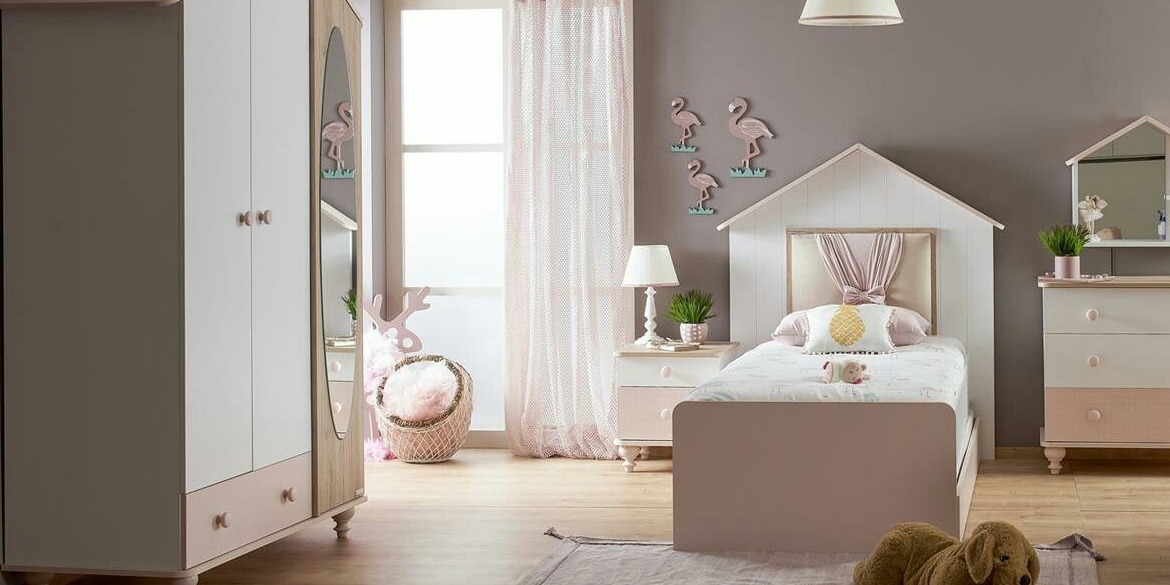
Healthy childhood development depends on simple things like good food, support, and a safe place to grow. Yet indoor air quality (IAQ), arguably the most invisible but most influential factor, remains the least understood and most underestimated element of early-life wellbeing. In nurseries and children’s bedrooms, where young lungs inhale 2.76 times more air per body weight than adults, poor IAQ becomes more than a nuisance; it is a direct threat to cognitive development, respiratory health, and lifelong wellbeing.
Why Children Need Stricter Indoor Air Rules Than Adults
Young children react more strongly to polluted indoor air because their lungs and immune systems are still developing. They breathe faster, their airways are smaller, and pollutants settle deeper in their bodies. In several nurseries studied across the UAE, the problem was far worse than expected. CO₂, TVOCs, PM10, and formaldehyde were often above WHO limits, sometimes twice or three times higher before the children even arrived. In a few classrooms, formaldehyde went past 200 μg/m³ and TVOCs climbed over 1,500 μg/m³, levels that are considered unsafe for anyone, let alone young children. Children’s bedrooms at home face similar risks, especially newly renovated rooms, poorly ventilated apartments, and spaces filled with synthetic furniture or scented consumer products often linked to ongoing home maintenance Dubai.
The Four Pollutants That Matter Most
1. Carbon Dioxide (CO₂): The Cognitive Thief
CO₂ in high concentrations doesn’t simply signal poor ventilation; it directly impairs cognition. When CO₂ goes above 1,000 ppm, people start to slow down. Thinking becomes harder and it’s harder to focus. In many nurseries, the levels jump to around 1,500–2,000 ppm once the children are in the room because of how much they move and breathe. At those levels, it’s common to see kids feeling tired, getting irritated easily, and struggling to stay focused on what they’re learning.
2. Particulate Matter (PM10 and PM2.5): The Respiratory Hazard
Dust and tiny particles in the air can get deep into the lungs. Many nurseries show PM10 levels between 100 and 600 μg/m³, which is much higher than the WHO limit of 50 μg/m³. In the UAE, TSP often went above 150 μg/m³, especially near roads or construction areas.
3. Volatile Organic Compounds (VOCs): The Silent Chemical Cocktail
VOCs emanate from:
Paints and finishes
Furniture and foam
Cleaning chemicals
Toys and teaching materials
TVOCs in nurseries have reached 1,000–3,000 μg/m³, triggering headaches, nausea, and skin or respiratory irritation.
4. Formaldehyde (CH₂O): The Known Carcinogen
CH₂O consistently exceeded WHO limits in multiple nurseries often originating from flooring, adhesives, and furniture. In one facility, CH₂O levels reached 250 μg/m³, more than twice the safety limit
What Actually Improves Air Quality?
A controlled evaluation of 16 nurseries reveals a hierarchy of IAQ interventions and surprising outcomes.
Rule 1:Mechanical Ventilation Is King
Installing a fresh-air ventilation system was the most effective intervention across all pollutants:
- CH₂O reduced by -53%
- TVOCs reduced by -53%
- TSP reduced by -37%
CO₂ significantly reduced depending on occupancy patterns Mechanical ventilation outperformed every other method not by a small margin, but decisively. In closed-layout classrooms with limited windows (common in hot climates), ventilation systems were the only intervention capable of maintaining healthy IAQ consistently
Rule 2: Air Purifiers Are Powerful
Air purifiers with HEPA filters reduced:
TVOCs by 46%
TSP by 21%
They also contributed modest reductions in CO₂ (due to lower activity or occupancy, not purification). However, purifiers were ineffective or even counter-productive for formaldehyde in some cases. In several rooms, CH₂O levels increased after purifier use due to unrelated emissions from materials
Rule 3: New “Low-Emission” Materials Do NOT Equal Better Air
This is the counterintuitive one. Renovating nursery rooms with “eco-friendly” or “low-emission” finishing materials increased CH₂O and TVOC levels by 1.8–3.8 times immediately after installation. Even high-quality certified materials emit pollutants initially. Do not renovate a nursery or child’s bedroom right before occupancy. Off-gassing takes time, weeks or months not days.
Rule 4: Ventilate Before Children Arrive
CH₂O and TVOC levels peak before children enter the room. Opening windows or running ventilation systems for 30–60 minutes in the early morning dramatically reduces exposure during learning hours, especially in places that require frequent upkeep such as ac duct cleaning dubai and general home maintenance services.
Developing Effective IAQ Rules for Nurseries and Children’s Bedrooms
Based on the evidence, the following rules should be adopted by childcare centers, regulators, and parents:
- Require mechanical ventilation capable of supplying fresh filtered air.
- Natural ventilation alone is inconsistent in hot climates and urban settings. Use HEPA-based air purifiers as a secondary not primary IAQ control.
- Prohibit occupancy in newly renovated or refurnished rooms for at least 4–8 weeks.
- Monitor IAQ continuously.
Sensors for CO₂, PM, CH₂O, and VOCs are now affordable and should be mandatory.
Enforce maximum limits:
- CO₂ < 1,000 ppm
- PM10 < 50 μg/m³
- TVOCs < 300–400 μg/m³
- Formaldehyde < 80–100 μg/m³
Maintain strict cleaning protocols without overly scented or harsh chemicals. Children need more than nice-looking rooms. What matters most is the air they breathe. Good ventilation has the biggest impact on keeping that air safe. Air purifiers can help, but they don’t take the place of real fresh air. New materials shouldn’t be employed shortly before a room is occupied because they give off odours at the start. Following these basic actions makes a space safer for children and keeps their health from being placed at danger.