

Winter Water Tank Hygiene in UAE: Why Cooler Temperatures Don’t Eliminate Bacteria and Biofilm
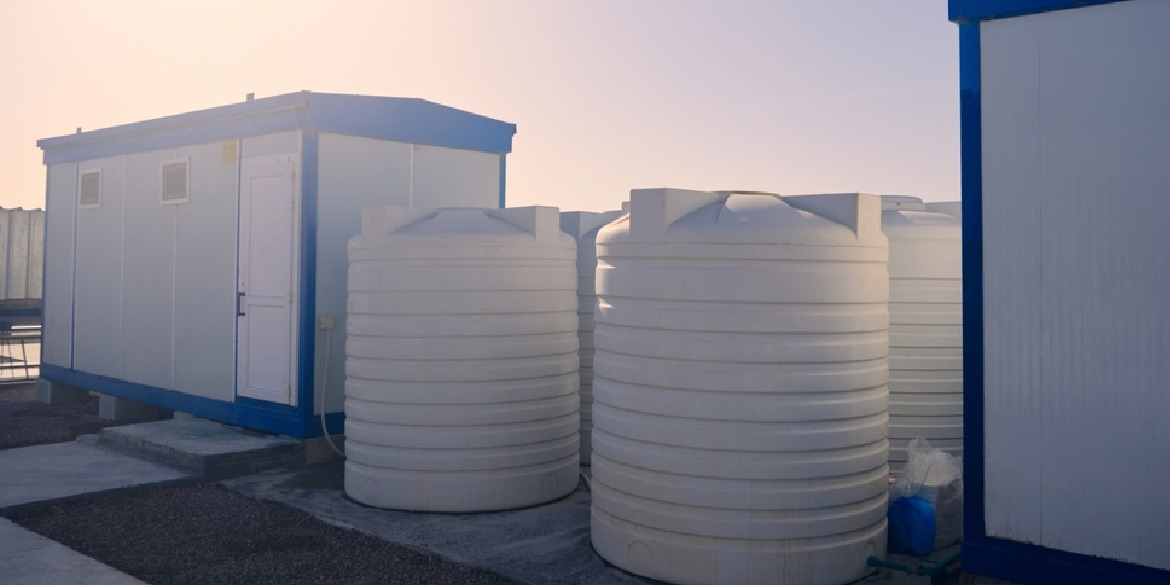
Every winter, households and facility managers across the UAE breathe a quiet sigh of relief. Cooler months feel safer with less heat, less humidity, and presumably less bacterial activity in water tanks. But this assumption is dangerously misleading. In reality, winter creates a perfect storm of conditions that allow bacteria and biofilms to persist, mature, and spread silently compromising water hygiene long before summer arrives.
In the UAE’s unique climate, winter doesn’t kill the microbial ecosystem in your water tank. It simply changes its behavior.
The Winter Illusion: Cooler Doesn’t Mean Clean
When temperatures drop from the blistering 45–50°C summer highs to a mild 18–28°C winter range, many assume water tank microbes naturally decline. But bacteria such as Legionella, Pseudomonas, and E. coli thrive in lukewarm water not extreme heat. Research shows Legionella proliferates most efficiently between 20°C–45°C, meaning UAE winter temperatures fall squarely within the bacterial “comfort zone.”
Biofilms the slimy, glue-like microbial colonies lining tank walls are even more resilient. They act as bacterial armor, shielding pathogens from temperature fluctuations and disinfectants. Studies indicate that biofilm bacterial survival rates in cooler water increase by up to 60%, as the metabolic slowdown allows colonies to conserve energy and resist chlorine-based sanitizers.
Seasonal Water Usage Drops Stagnation Increases
Winter in the UAE brings reduced irrigation, fewer showers, and decreased outdoor water usage. This reduction seems harmless but ushers in the stagnation effect, one of the most critical triggers of microbial growth. Even properties that rely on water tank cleaning Dubai services during hotter months often overlook how quickly stagnation can undermine winter hygiene.
Stagnant water:
- Loses oxygen rapidly
- Becomes a nutrient-rich habitat for pathogens
- Encourages biofilm layering along tank floors and corners
- Allows sediment and organic debris to accumulate
The UAE’s own environmental observations confirm this pattern: stagnant tanks become microbial hotspots in as little as 6–12 weeks, even during winter.
Winter Microbiology: The Biofilm Advantage
While heat accelerates bacterial reproduction, winter enhances bacterial survival, especially inside biofilms.
Biofilms thrive in winter due to:
Reduced Chlorine Efficiency
Chlorine’s disinfecting power decreases as water temperature drops. At lower temperatures, chlorine demand increases, meaning the same disinfectant dose becomes less effective.
Slower but Stronger Growth
Bacteria inside biofilms reproduce slower in winter yet develop thicker, more resistant matrices.
Organic Load Buildup
Dubai’s sandstorms do not stop in winter. Dust infiltration introduces:
- Silicates
- Minerals
- Organic matter
- Microparticles
Together, they form an ideal nutrient base for biofilm expansion. “Crystal-clear” winter water can still harbor millions of microbes in biofilms invisible to the naked eye.
Health Risks Don’t Disappear in Winter
The World Health Organization identifies microbial contamination not chemical contamination as the most common global threat to drinking water systems. In the UAE, unclean water tanks have been linked to:
- Gastrointestinal infections
- Skin irritations
- Respiratory issues from Legionella aerosols
- Pediatric dehydration episodes
- Higher risks for the elderly and immunocompromised
Winter does not reduce these risks. In fact, because winter water is cooler and often stagnant, conditions can align for Legionella bloom events, especially in rooftop tanks exposed to mild midday heating.
Why UAE Winter Tanks Still Need Cleaning
From a water hygiene engineering perspective, the UAE’s seasonal dynamics make winter cleaning more important than summer cleaning. Facilities that engage home maintenance services Dubai often discover that winter tanks accumulate hidden microbial loads unnoticed during routine checks. Here’s why:
Sediment Accumulation Continues
Municipal water lines carry sand, minerals, and rust year-round, which settle into winter tanks and fuel bacterial colonies.
Tanks Become “Holding Chambers”
With lower consumption, debris and contaminants remain trapped longer, amplifying their impact.
Temperature Fluctuations Stress the System
Winter days can reach 30°C while nights drop below 15°C, creating thermal oscillations that:
Stress tank material
Increase condensation
Introduce moisture a key trigger for microbial adhesion
Dubai Municipality Regulations Apply Year-Round
Regulations require water tanks to be cleaned every 6–12 months, regardless of season, to control bacteria and biofilm accumulations. Ignoring winter maintenance is a direct compliance risk.
Winter Cleaning: A Strategic Advantage
Professionally cleaning a tank in winter yields measurable benefits:
- Biofilm removal is more effective due to reduced bacterial metabolism
- Tank interiors dry faster, lowering post-cleaning moisture
- Technicians can identify structural issues before summer expansion damages the tank
- Winter cleaning breaks microbial cycles before they peak in summer
Winter feels mild in the UAE, but that doesn’t mean your water tank is in good shape. The cooler weather doesn’t kill off bacteria, it just helps them sit there, settle, and build layers you don’t notice. That’s why winter is actually the best time to clear things out before the summer heat makes everything worse. A quick clean now keeps the water safe and saves you trouble later.